Office capacity is often based on legacy assumptions
Hybrid work changes attendance patterns, but many organizations still manage space with outdated occupancy expectations.
Seatsurfing helps organizations understand how desks, rooms, and other office resources are used so they can optimize layouts, capacity, and workplace costs.
Hybrid work changes attendance patterns, but many organizations still manage space with outdated occupancy expectations.
Without booking data, it is difficult to see which desks, rooms, and floors are actually adding value.
Real estate, facility, and workplace leaders need usage insights before changing layouts, reducing space, or expanding shared areas.
Seatsurfing turns workplace usage into measurable booking data across multiple resource types and locations.
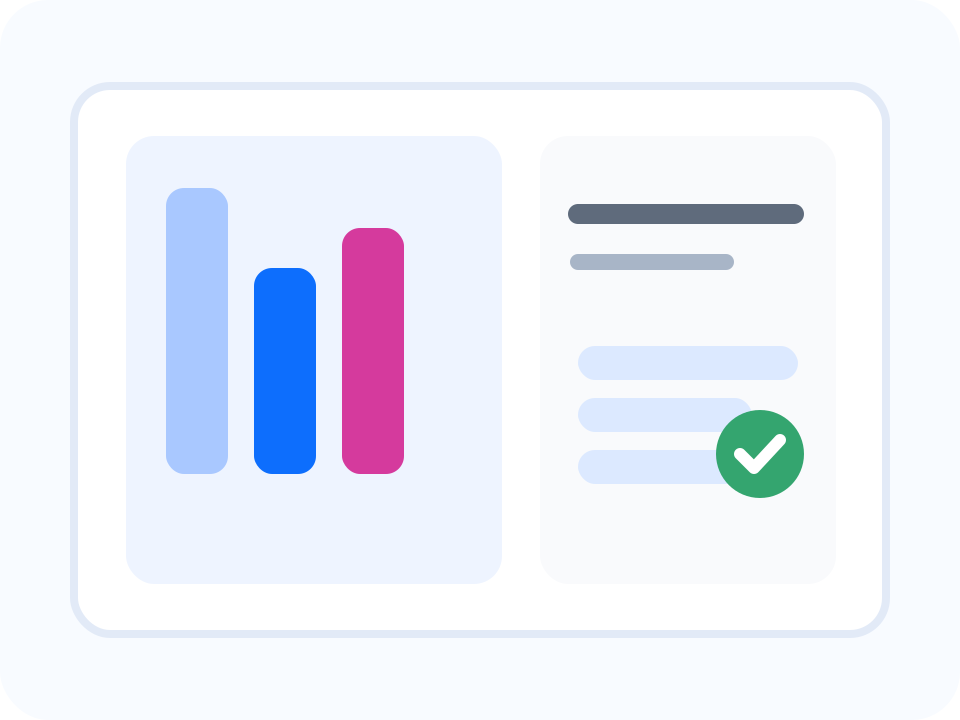
Statistics show where demand is concentrated and which areas remain underused or overbooked.
Organizations can redesign zones, adjust booking settings, or rebalance supply based on actual usage trends.
A consistent model for bookable spaces makes it easier to compare multiple offices and standardize workplace operations.
Explore the full feature overview or learn how Seatsurfing works in the docs.
Yes. Seatsurfing provides the booking structure and statistics needed to understand demand, identify underused areas, and optimize workplace capacity.
Facility management, workplace teams, HR, IT, and real estate leaders can all use booking data to improve planning and operations.
Yes. Seatsurfing can also be used for rooms, parking lots, and other bookable office resources, which creates a broader view of office utilization.
Start with a free trial or contact us if you want to discuss your desk sharing, room booking, parking, or hybrid work requirements.